
Ways to Give
Giving comes in many forms.
Find the way to make a difference that works for you.
-

Give time and skills
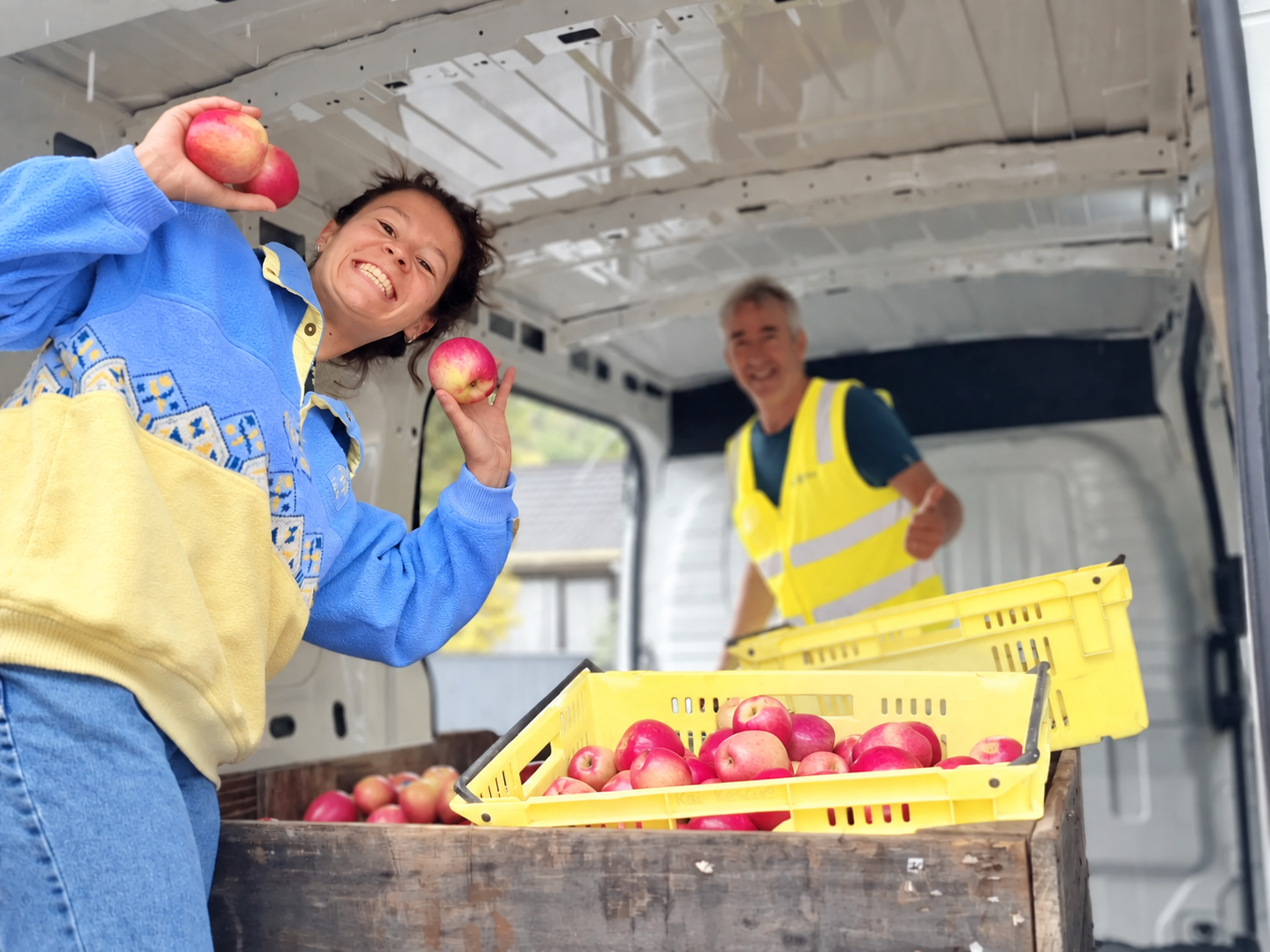
Volunteering, governance, and hands-on support. This is the most direct form of contribution and can also include business support in kind.
-

Give money
One-off donations, regular giving, payroll giving, and workplace giving. These are the simplest cash-based ways to support a cause.
-

Asset-based investment
Land, buildings, place-based investment, artworks and cultural/historical artifacts. These use capital or property to create larger, longer-term community outcomes.
-

Legacy giving
Named funds, living giving, endowments, and legacy gifts. These create ongoing support that can continue well into the future.
Give time and skills
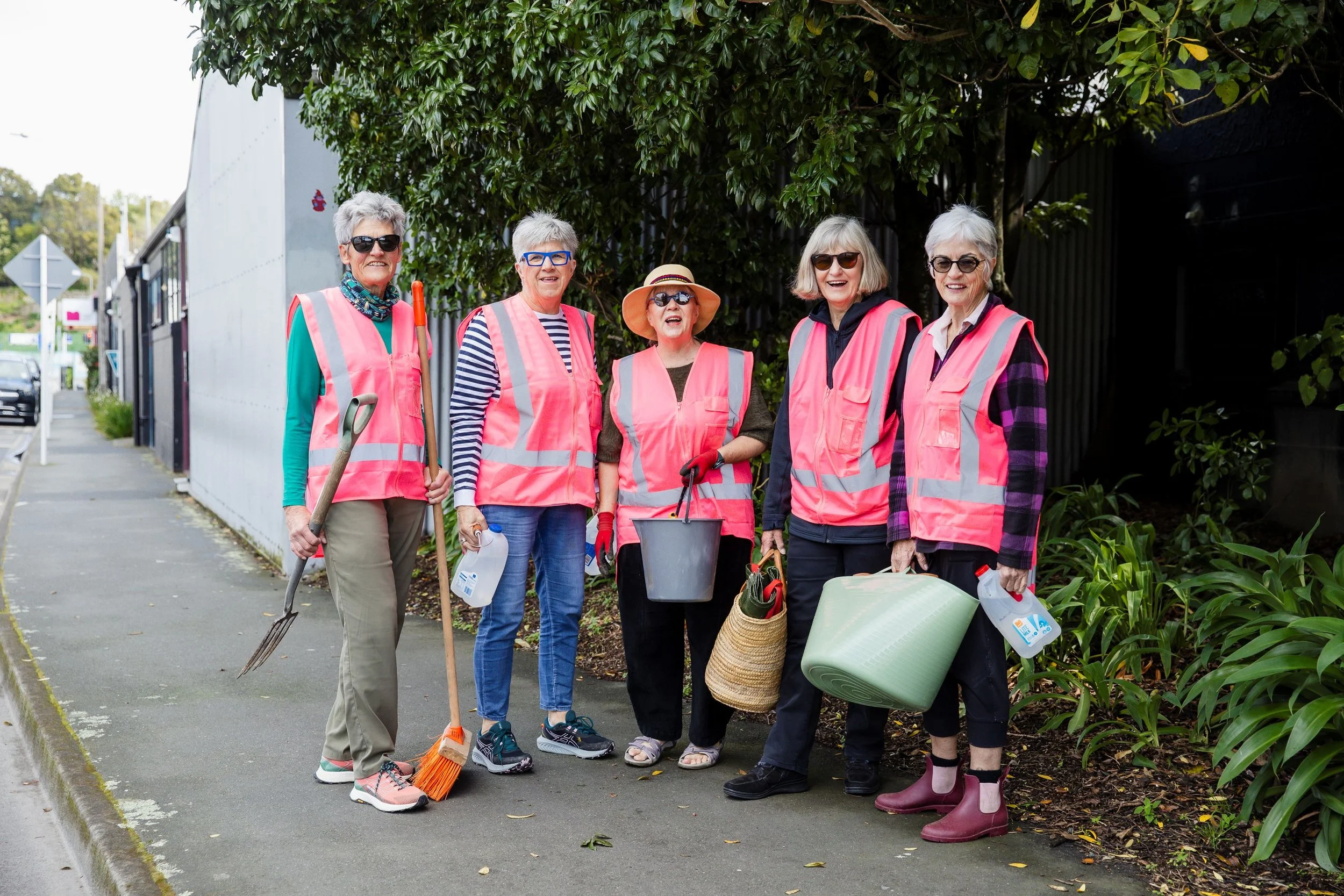
Nelson’s premium connector in this space is Volunteer Nelson - they promote opportunities for our charities, or you can find other ways through Seek.
You can always make direct contact with any charity - our own Te Tauihu community development agency, Kōtuitui is deeply connected and can support your interests. Our still-being-formed Arts Development Agency is more relevant for all those involved in the arts.
You may wish to help out occasionally at events or activities the charity offers, or get involved more regularly. If you have life/work experience that might be a better fit for the more strategic role of governance committee - you would be welcome to discuss with the Chair of any charity. Time and skills are the easiest way to participate in the life of purposeful organisations.
Business/Corporate In-Kind Support
Many businesses in Nelson offer non-cash direct support for events and activities often through their own social connections. This is such a valued way that underpins the infrastructure of our charitable sector. It may be products, materials, catering, mentoring, venues, staff time and skills, or sponsorship of some aspect - scholarships. They gain marketing, logo exposure, or community relations benefits and part of a developing corporate social responsibility. We wish to thank them for all they offer to create unique ways of giving to keep our city thriving.
Give money
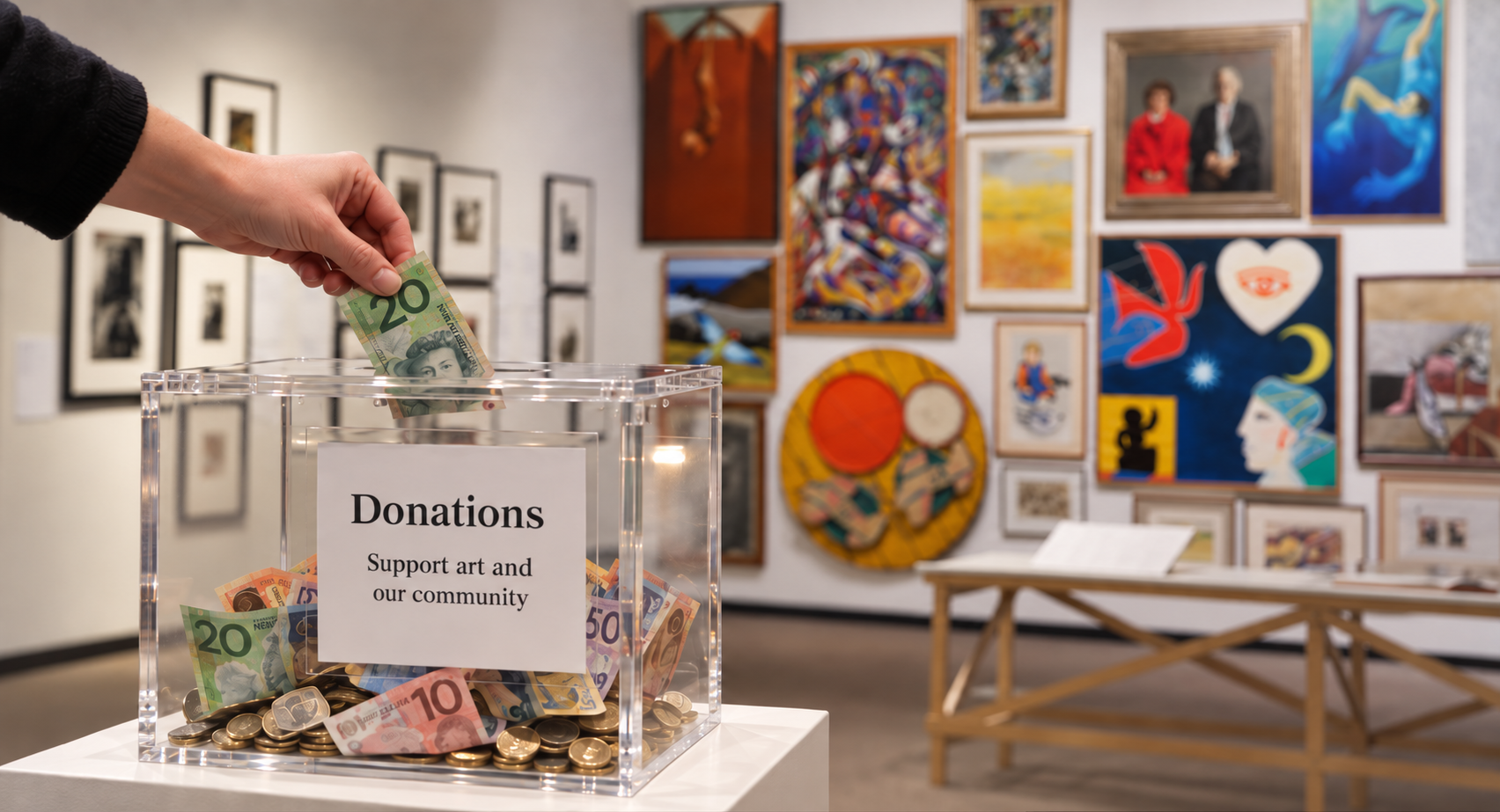
All registered charities have “donate” functions on their websites. You can offer one-off donations or regular giving through automatic payments via your bank. All donations for $5 or more to registered charities offer a 33.3% tax rebate (to NZ residents) through ensuring you get a receipt from the charity and then submitting the form to IRD. To find the tax form click here.
Some of the simplest “giving money” methods are: payroll giving, workplace giving, living giving, and giving your superannuation.
Payroll giving - If your employer offers payroll giving and the organisation you want to donate to is approved by Inland Revenue to be part of the scheme (all of the charities listed here are), your employer will calculate your donation and take it out of your wages before they pay you. They will also calculate your tax credit for you and take this amount off your PAYE for that pay. Yes, tax credit still applies. Check out Top of the South Community Foundation (TSCF) page for more information on this option.
Workplace giving - The same parameters to payroll giving except this is based on the employer or business owner’s choice of charity creating a collective way for a work team to participate in donating regularly through payroll to the charity of choice. Check out the handout on TSCF page.
Many charities have created their own long term Community Group Funds through TSCF. This is also a simple way to support a cause through one-off or regular donations.
Living Giving - Establish a Named Fund of your own, sometimes called an Endowment. This could happen with the support of TSCF, or through a lawyer, to benefit causes that are dear to your heart while you are still alive or bequest in your will. This could be set up with money, property or shares. Your gift will be professionally invested and the income earned will be paid out to charities or causes of your choice each and every year, forever. It’s a long term way to support something you care about. Here is a link to help calculate how your original gift is always being built upon and distributions increase over time and forever.
Give your super - By donating a portion or all of your super, you make a donation to them, helping ensure local charities and community organisations across health, education, the arts, and the environment can be supported over the long term.
Nelson is so lucky having many cashed-up retirees who are seeing opportunities to donate their superannuation direct to charities. There are two key options here.
Many contribute to Fifeshire Foundation ’s many grants offering direct support to carefully selected people in need.
TSCF offer it as their Super Legacy fund. Through Super Legacy, your donation supports the Foundation itself, strengthening the capability needed to invest funds and distribute grants where they are needed most. This creates ongoing support for Te Tauihu and ensures your generosity continues to benefit our communities for generations.
Asset-based investment
Asset-based investment uses property, land and other significant assets to create long-term community benefit. It can help unlock projects that might otherwise be unaffordable, direct investment into local priorities, or preserve valuable cultural assets for future generations.
Land or buildings
Unlocking potential through land partnership
In today’s market, the high cost of land is one of the greatest barriers to creating housing and commercial spaces that people can actually afford. Traditional development models can be squeezed by high debt and interest rates, forcing final prices out of reach for the community.
The innovation: land as the catalyst
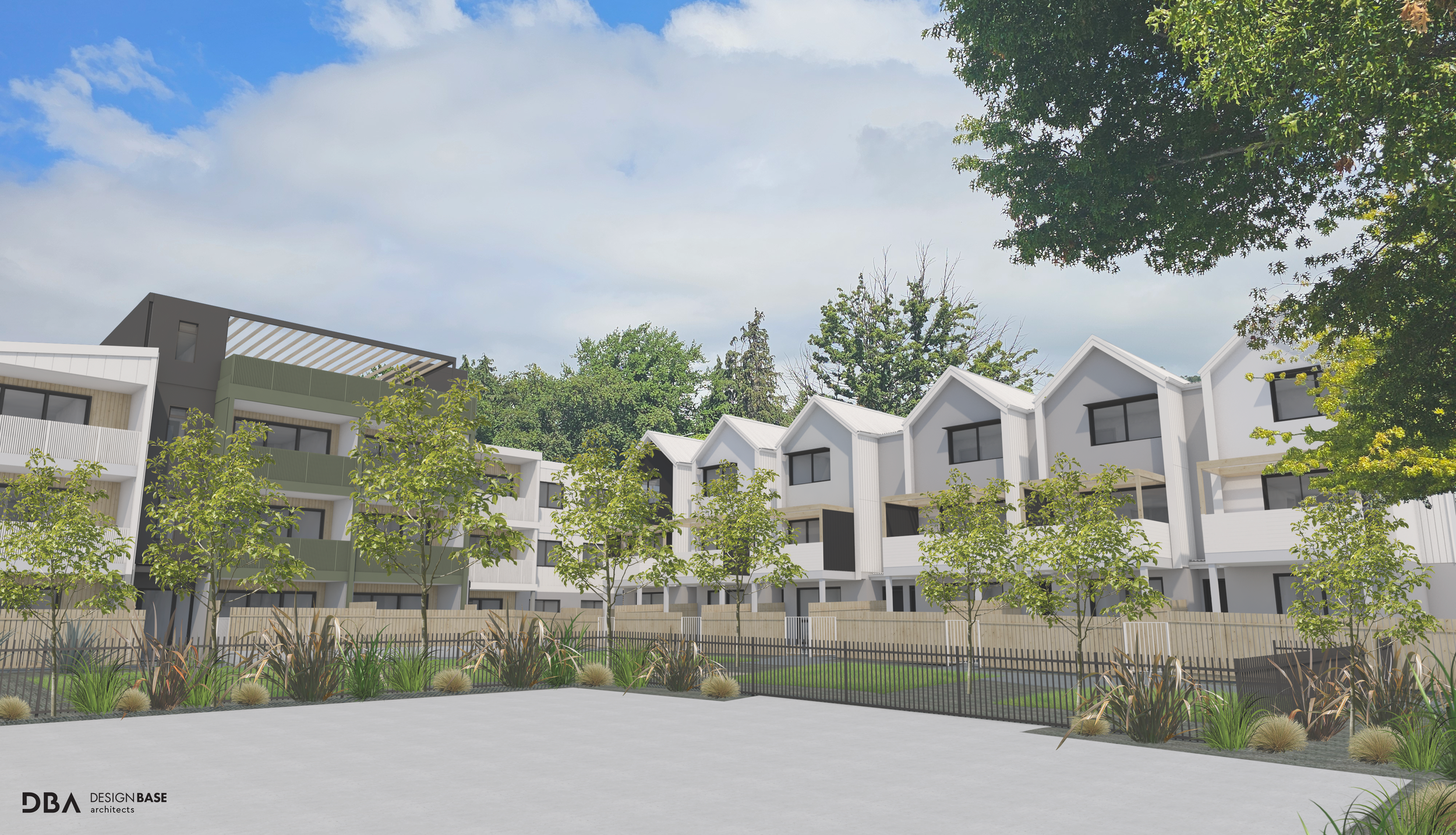
A Land Partnership Model offers an alternative to the traditional “buy-and-sell” approach. By contributing land or property assets into a project at zero upfront cost, the heaviest financial burden can be removed from the development equation.
How it works
Instead of a developer paying millions for a site, they effectively use the land’s value to help secure financing and build. In exchange for this head start, the developer may commit to outcomes such as:
- Affordability: delivering a portion of the units at below-market rates.
- Equity: providing rent-to-buy or shared-equity opportunities for the community.
- Quality: investing the land savings back into sustainable, high-quality architecture.
The win-win-win
For the developer, this can mean lower risk, lower debt and a faster path to breaking ground.
For the landowner, it can transform an underutilised asset into a legacy project that provides long-term social or financial returns.
For the community, it can create more attainable opportunities to live and work in places that were previously unaffordable.
Do you have land or property that is currently under-utilised?
Please talk to us at
philanthropy@makeshiftspaces.nz
.
Place-based investment
Place-based investment directs capital towards initiatives that create measurable social or environmental impact within a specific community.
Relevant examples could include supporting established affordable-housing initiatives such as Nelson Tasman Housing Trust, Gateway Housing, Nelson Habitat for Humanity or Abbeyfield; or establishing a dedicated community land, housing or philanthropic fund that explicitly targets Nelson Tasman.
Examples of place-based approaches elsewhere include NEXT Foundation’s support for Project Janszoon and the 1000 Days Trust in Southland .
Discussion Paper – Place-Based Investment Fund
For more ideas and possible innovations in this space, read the discussion paper.
PDF link to be added.
Artworks and cultural/historical artefacts
Artworks and cultural or historical artefacts can also become meaningful philanthropic assets. Individuals, families and businesses may choose to gift significant works or objects to galleries, museums, archives or other community organisations so they can be preserved, interpreted and enjoyed by future generations.
In some cases, an artwork or collection may also support an organisation through sale, long-term loan or another agreed arrangement. Anyone considering a significant cultural gift should speak directly with the receiving organisation first to ensure the asset is appropriate, useful and able to be cared for properly.

Legacy giving
Legacy giving allows the causes and organisations you care about to continue benefiting from your support beyond your lifetime. It can include an endowment fund, a gift in your will, or arrangements that build on giving you have already started during your lifetime.
Endowment funds - These can be established while you are living and/or through your will to ensure your giving continues into the future. See also Living Giving in the Give Money section above.
Bequests - Funds or assets left to particular charities or causes that remain important to you beyond your lifetime. There are four main bequest options.
- Specific: A gift of a particular item, such as a house, jewellery or shares, or a fixed dollar amount.
- Residuary: A gift of the residue or remainder of your estate after all other specific gifts, debts and taxes are paid.
- Percentage: A gift of a set percentage of your estate. This adjusts naturally with the total value of your estate over time.
- Contingent: A backup gift that applies if your primary beneficiaries, such as a spouse or children, do not survive you.
A lawyer who holds your will or is helping you plan it, or the TSCF professional advisors , can help arrange any of these options.

Ready to make a difference?
Explore organisations and causes across Whakatū Nelson, or get in touch if you’d like help finding the right fit.