
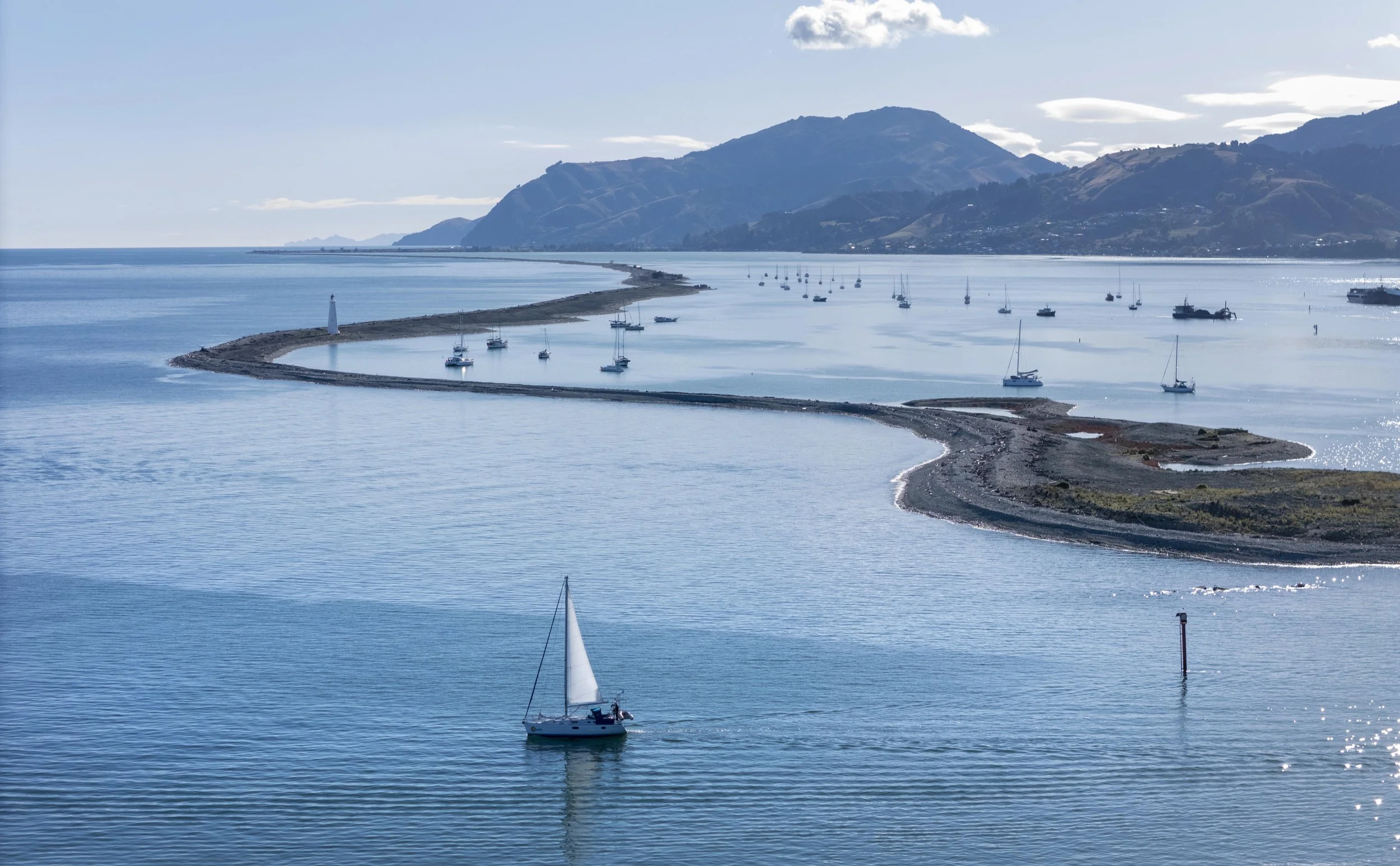
A Legacy of Giving. A Future of Possibility.
A history of philanthropy in Whakatū Nelson.
The story of Whakatū Nelson is also a story of generosity.
Look around Nelson today and you'll find the legacy of people who believed in something bigger than themselves. In the places we gather, the arts we enjoy, the landscapes we treasure and the institutions that continue to serve our community.
Some gave money or land. Others gave their time, knowledge, skills or determination. What united them was a belief that their contribution could make a lasting difference.
Generosity and collective responsibility have long been part of life in Whakatū Nelson, expressed through different cultures, traditions and generations. Over time, these acts of giving have helped shape the character of our region and the opportunities available to those who call it home.
From extraordinary individual contributions to generations of collective effort, these are some of the stories behind that legacy. Stories that remind us that many of the places and experiences we value today were made possible by people who imagined a better future, then helped make it happen.
And the story is still being written.
The People Who Imagined More
Vision, determination and a belief in what Nelson could become.
Some of Nelson's most enduring legacies began with individuals who saw possibilities others had yet to imagine.
Thomas Cawthron and Pérrine Moncrieff contributed in very different ways. One used the wealth he had accumulated to support scientific discovery and community development. The other dedicated much of her life to conservation, education and protecting the natural environment.
Both demonstrated that philanthropy can take many forms, and that a single person's commitment can have an impact far beyond their lifetime.
Thomas Cawthron (1833–1915)
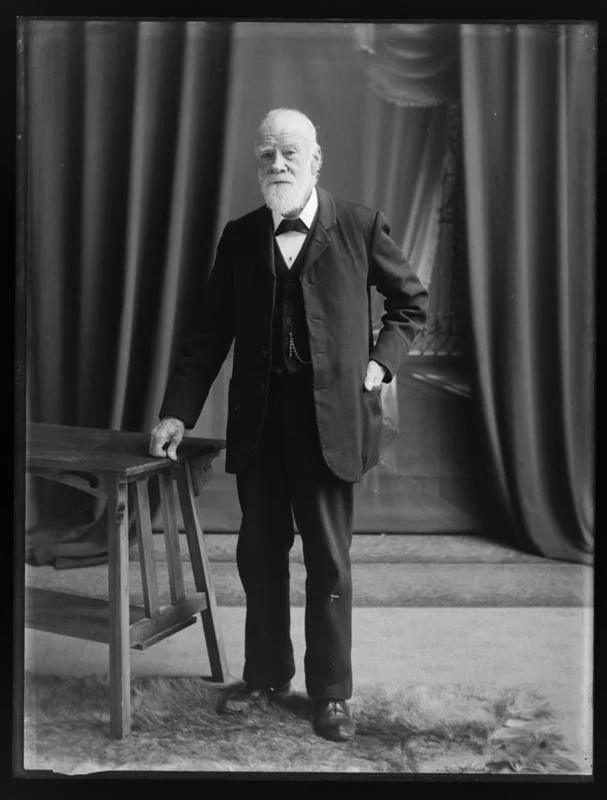
Thomas Cawthron was a prominent businessman and philanthropist in Nelson, New Zealand. Born in London, he emigrated to Nelson with his family in 1849. Despite initial challenges, Cawthron's entrepreneurial spirit led him to amass considerable wealth through diverse investments in property, mortgages, and shares. Known for his frugality, he was also deeply committed to the welfare of his community.
Cawthron's philanthropic contributions to Nelson are substantial and enduring:
Cawthron Institute: In his will, Cawthron bequeathed £231,000—a significant fortune at the time—for the establishment of a scientific research institute. This led to the founding of the Cawthron Institute in 1921, which has since become New Zealand's largest independent science organisation, specialising in areas like aquaculture and environmental research.
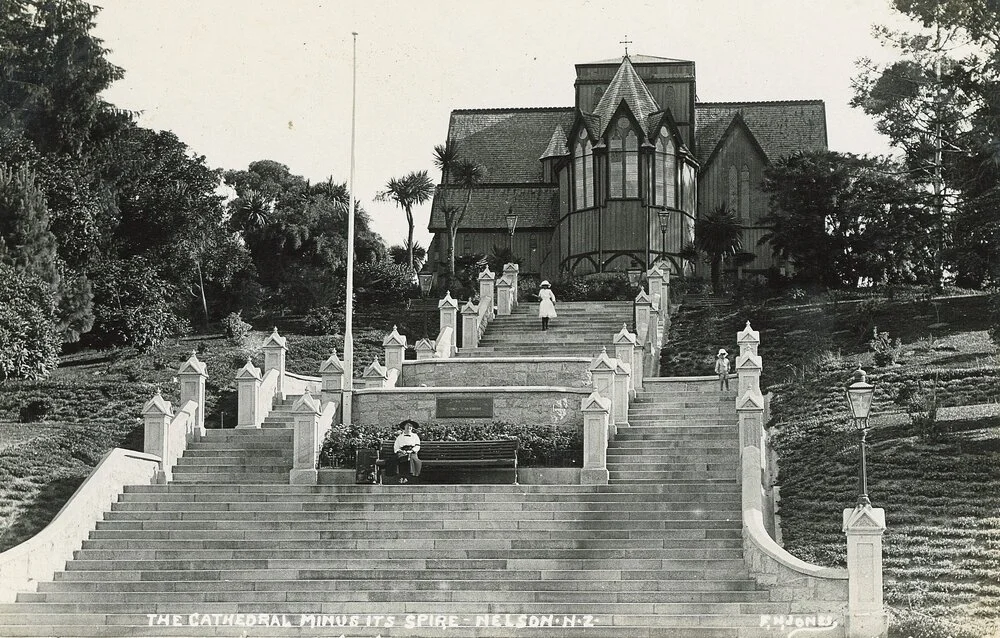
Church Steps: Cawthron funded the construction of the iconic steps leading up to Nelson's Christ Church Cathedral, enhancing the city's architectural heritage.
Beyond these major projects, Cawthron was known for his quiet acts of generosity, such as assisting families in need and supporting disaster relief efforts. His legacy continues to influence Nelson's scientific and cultural landscape profoundly.
Pérrine Moncrieff (1893–1979)
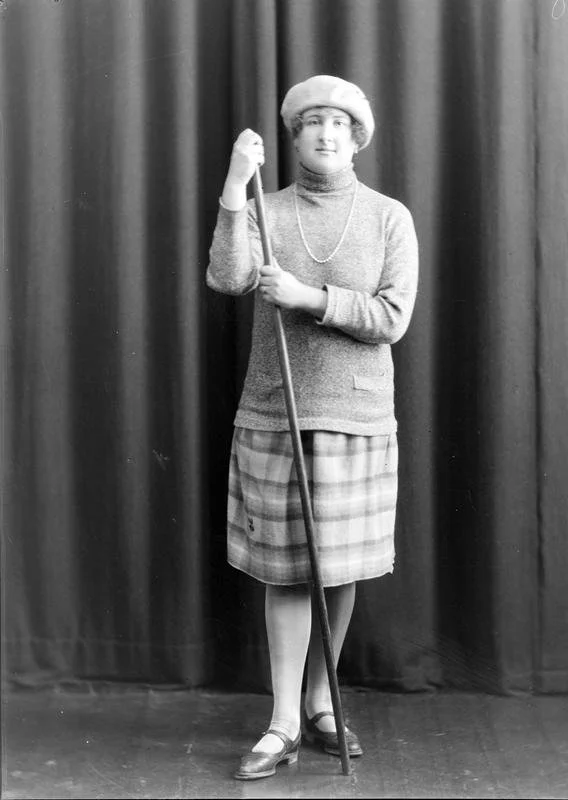
Pérrine Moncrieff was a pioneering conservationist and ornithologist in New Zealand, particularly influential in the Nelson region. Born in London, she and her husband, Malcolm Moncrieff, emigrated to New Zealand in 1921, initially intending to settle in Canada but choosing Nelson for its natural beauty and rich birdlife.
In 1923, Moncrieff became a founding member of the New Zealand Native Bird Protection Society, now known as Forest & Bird. Recognizing the lack of accessible resources on native birds, she authored "New Zealand Birds and How to Identify Them" in 1925, the country's first pocket field guide on the subject.
Moncrieff's most notable achievement was her instrumental role in establishing Abel Tasman National Park. She purchased land on the shores of Tasman Bay, which became a scenic reserve in the 1930s. In 1942, to commemorate the 300th anniversary of Abel Tasman's discovery of New Zealand, this reserve was designated as Abel Tasman National Park. Moncrieff served on the park board until the age of 81.
Beyond her conservation efforts, Moncrieff was active in various community initiatives. She was a president of the Nelson Institute and the Nelson Philosophical Society, initiated the Girl Guides movement in Nelson, and served as a justice of the peace. Her dedication to preserving New Zealand's natural heritage left an enduring legacy in the Nelson region and beyond.
Creating Places for Everyone
The cultural institutions that generations of generosity have helped build and sustain.
A city's cultural life doesn't happen by accident.
Behind many of Nelson's most treasured institutions are individuals, families and communities who recognised the value of making art, music, performance and heritage accessible to everyone.
Their contributions helped establish places where creativity could flourish, stories could be preserved and people could come together.
And while some of these institutions were founded more than a century ago, their stories of philanthropy didn't end there. They continue to evolve through the generosity of those who believe these places matter.
The Nelson Suter Art Society and The Suter Art Gallery
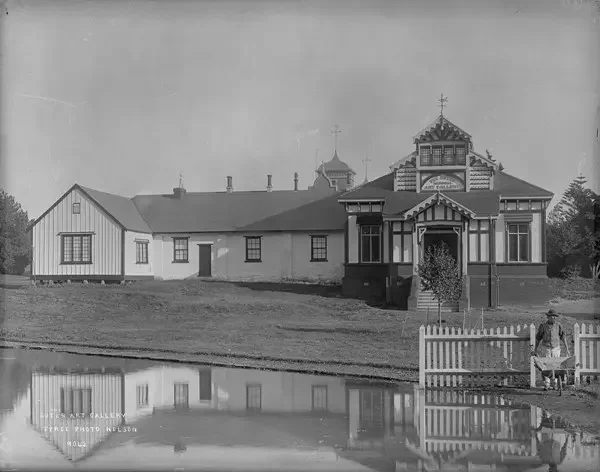
The Nelson Suter Art Society (NSAS), established in 1889 as the Bishopdale Sketching Club, has been a cornerstone of Nelson's artistic community for over a century. Its founding was significantly influenced by Bishop Andrew Burn Suter, an ardent supporter of the arts, who envisioned a society that would nurture and promote artistic endeavours in the region. Following his death in 1895, the society was renamed in his honour, reflecting his lasting impact on Nelson's cultural landscape.
Philanthropy has been integral to the NSAS's development and sustainability. The society's close association with The Suter Art Gallery, which opened in 1899 as a memorial to Bishop Suter, exemplifies this relationship. In 1901, an agreement formalized this partnership, granting the NSAS a dedicated space within the gallery for exhibitions and events. This collaboration has been pivotal in providing artists with a platform to showcase their work and engage with the community.
The McKee Gallery, located within The Suter Art Gallery, serves as the home of the NSAS. This space hosts a dynamic exhibition program, artist talks, and workshops throughout the year, fostering a vibrant artistic community. The gallery's establishment and ongoing operations have been supported by generous donations and bequests from patrons who recognise the importance of accessible art spaces.
The Suter Art Gallery, under the governance of The Bishop Suter Trust, actively encourages philanthropic support to continue its mission of promoting the arts. Donations exceeding $5 are tax-deductible, and patrons can contribute through various means, including direct financial support, gifting artworks, or including the gallery in their estate planning. Such contributions ensure the longevity and growth of both the gallery and the NSAS, enabling them to enrich Nelson's cultural heritage continually.
In essence, the Nelson Suter Art Society's history is deeply intertwined with philanthropic efforts that have nurtured its growth and sustained its activities. The generosity of art enthusiasts and patrons has been, and continues to be, fundamental in supporting the society's endeavours to cultivate and celebrate the arts within the Nelson community.
The Nelson Centre of Musical Arts
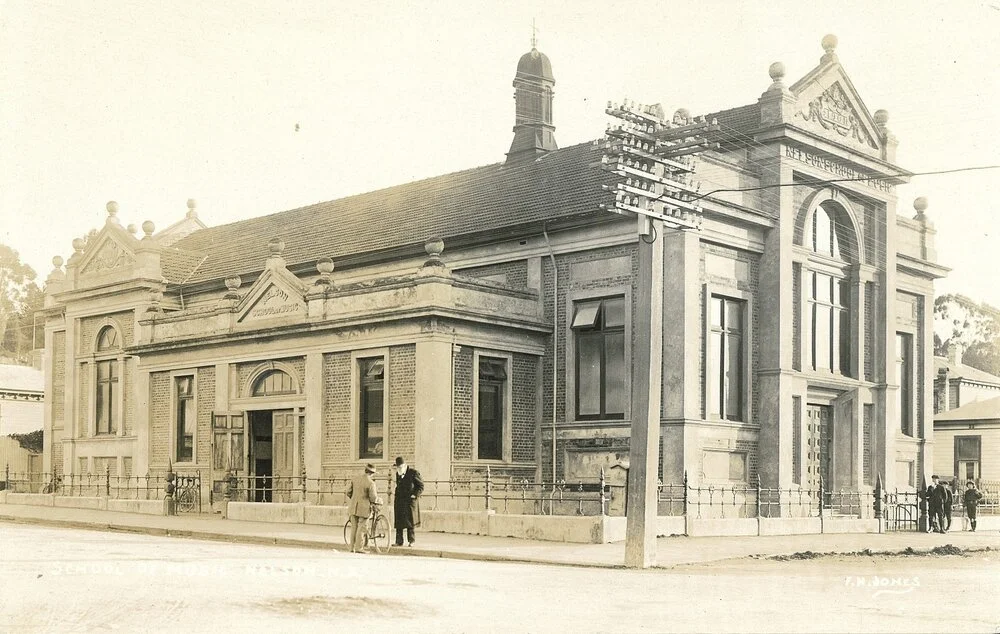
The Nelson Centre of Musical Arts (NCMA), originally established as the Nelson School of Music in 1894, stands as New Zealand's oldest independent music school. Located in the heart of Nelson at 48 Nile Street, the NCMA has been a cornerstone of the region's cultural and educational landscape for over a century.
The institution's historic auditorium, designed by architect Frederick de Jersey Clere and opened in 1901, is renowned for its exceptional acoustics. This venue has attracted both national and international performers, solidifying Nelson's reputation as a vibrant musical hub.
In 2018, the NCMA underwent significant refurbishment to address structural needs and enhance its facilities. This redevelopment preserved the auditorium's celebrated acoustics while adding modern teaching and performance spaces, ensuring the centre's continued relevance and accessibility.
Philanthropy has been integral to the NCMA's evolution. The original construction in 1901 was made possible through the financial support of prominent Nelson businessmen, including Joseph Cock and Thomas Cawthron, who contributed to the £4000 required for the building.
Today, the NCMA continues to thrive as a community hub, hosting over 150 concerts annually and offering a diverse range of educational programs. Its mission is to make music accessible to all, fostering a vibrant cultural scene in the Nelson-Tasman region.
The Theatre Royal
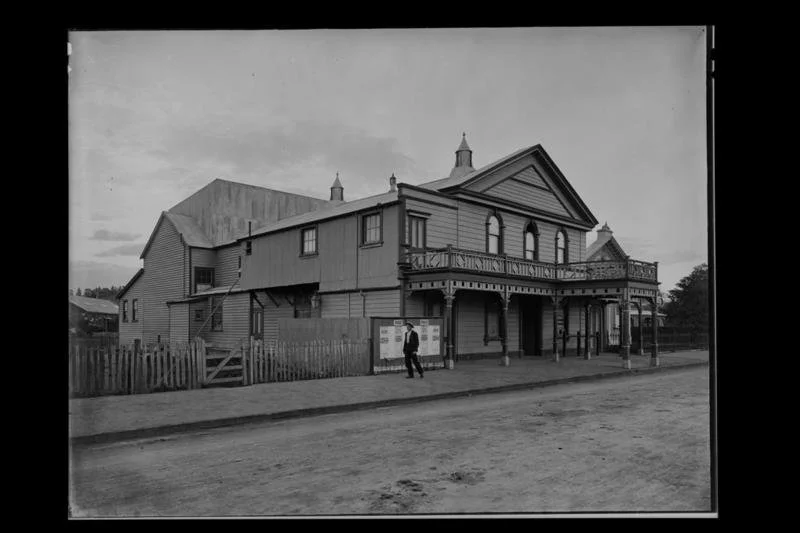
The Theatre Royal, built in 1878, is one of Nelson's most treasured heritage buildings and New Zealand's oldest purpose-built theatre still operating in its original role. Constructed by a company largely made up of members of the Oddfellows Society, the theatre opened on 18 July 1878, reportedly attracting nearly 1,000 people in a town of just 6,000.
Over its long history, the Theatre Royal has hosted plays, concerts, opera, films and community events. By the 1940s, however, its future was uncertain. In 1944, members of the newly incorporated Nelson Repertory Society raised funds to purchase the building, saving it from conversion into a joinery workshop and securing its future as a performance venue.
Philanthropy and community determination have remained central to the theatre's survival. By 2005, the ageing building required extensive repairs and was forced to close. The Nelson Historic Theatre Trust led an ambitious restoration project, supported by government and council funding, charitable contributions, local businesses and community fundraising. The approximately $6.5 million redevelopment preserved the theatre's Victorian character while introducing modern performance facilities.
One particularly memorable example of local generosity was the sponsorship of the theatre's seats, with individuals, families and businesses contributing towards their restoration. The Theatre Royal reopened on 31 May 2010, securing another chapter in its remarkable history.
Today, the Theatre Royal continues to provide a home for local performers and touring productions. Its survival stands as a testament to generations of Nelsonians who recognised the cultural importance of the building and worked together to ensure it could be enjoyed by future generations.
Nelson Provincial Museum
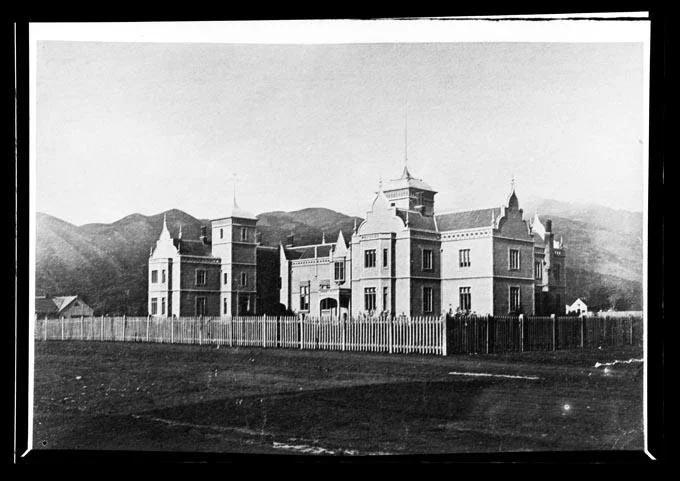
Nelson Provincial Museum | Pupuri Taonga o Te Tai Ao traces its origins to 1841, making it New Zealand's oldest museum. Its beginnings were remarkably modest, established by members of the New Zealand Company's preliminary expedition who formed the Literary and Scientific Institution of Nelson while travelling to New Zealand. The group pooled funds to purchase books and invited donations of maps, manuscripts, artworks and natural history specimens, laying the foundations for the region's museum collection.
The institution opened in Nelson in 1842, initially combining a library and museum. Over the following decades, donations from individuals and families helped its collections grow, preserving objects, photographs and records reflecting the region's cultural, social and natural heritage. The museum survived a devastating fire in 1906, and later relocated to Isel Park in Stoke, where a dedicated museum facility opened in 1973.
Community support has continued to play an important role in the museum's development. In 2005, a new exhibition facility opened in central Nelson following a collaborative redevelopment supported by central and local government, the Tasman Bays Heritage Trust and fundraising efforts. The move made the region's heritage more accessible to residents and visitors alike.
Today, the museum cares for an extensive collection of historic objects, photographs, documents and taonga Māori, working in partnership with mana whenua and the wider community. While its core operations are supported by Nelson City and Tasman District councils, donations, bequests and other philanthropic contributions remain important to its exhibitions, conservation work and educational programmes.
The Nelson Provincial Museum's enduring legacy reflects generations of people who have contributed to preserving the region's stories, ensuring that its heritage can be shared, understood and appreciated by future generations.
The Next Chapter Is Ours
The legacy of giving continues.
The people and organisations featured here have left their mark on Whakatū Nelson in remarkable ways. Their contributions have helped shape our cultural life, protect places we treasure and create opportunities for generations they would never meet.
But philanthropy isn't only something we look back on.
Every day, people across our region are giving their time, sharing their expertise, supporting local causes and finding new ways to strengthen their communities.
Some contributions are highly visible. Others happen quietly, without recognition or expectation. Both matter.
And not every contribution needs to be grand to leave a lasting legacy. What matters is the difference it makes.
The generosity of previous generations helped shape the Nelson we know today. What we choose to give, share and support now will help shape the Nelson of tomorrow.
The next chapter in Nelson's story of giving is ours to write.
Discover how you can make a difference through Good Together.